
The Dos and Don'ts of Garden Design and Landscaping
Designing and landscaping a garden is a great way to enhance the beauty of your outdoor space and add value to your property. Whether you are starting from scratch or revamping an existing garden, there are some dos and don’ts to keep in mind to ensure that your design and landscaping are successful.
DO: Consider the Climate and Microclimate
The first step in garden design is to consider the climate and microclimate of your area. This will help you choose the right plants and materials that can thrive in your garden. The climate refers to the overall weather patterns in your region, while the microclimate is the specific environmental conditions in your garden, such as the amount of sun exposure, wind, and soil quality.
DO: Set a Budget
Before starting your garden design and landscaping project, it’s important to set a budget. This will help you prioritize your expenses and prevent overspending. Decide how much money you want to allocate for plants, materials, and labor, and stick to it.
DO: Create a Focal Point
A focal point is a key element in garden design that draws the eye and adds interest to the space. This can be a statue, water feature, or a unique plant. Whatever you choose, make sure it fits with the overall design and style of your garden.
DO: Use Different Textures and Colours
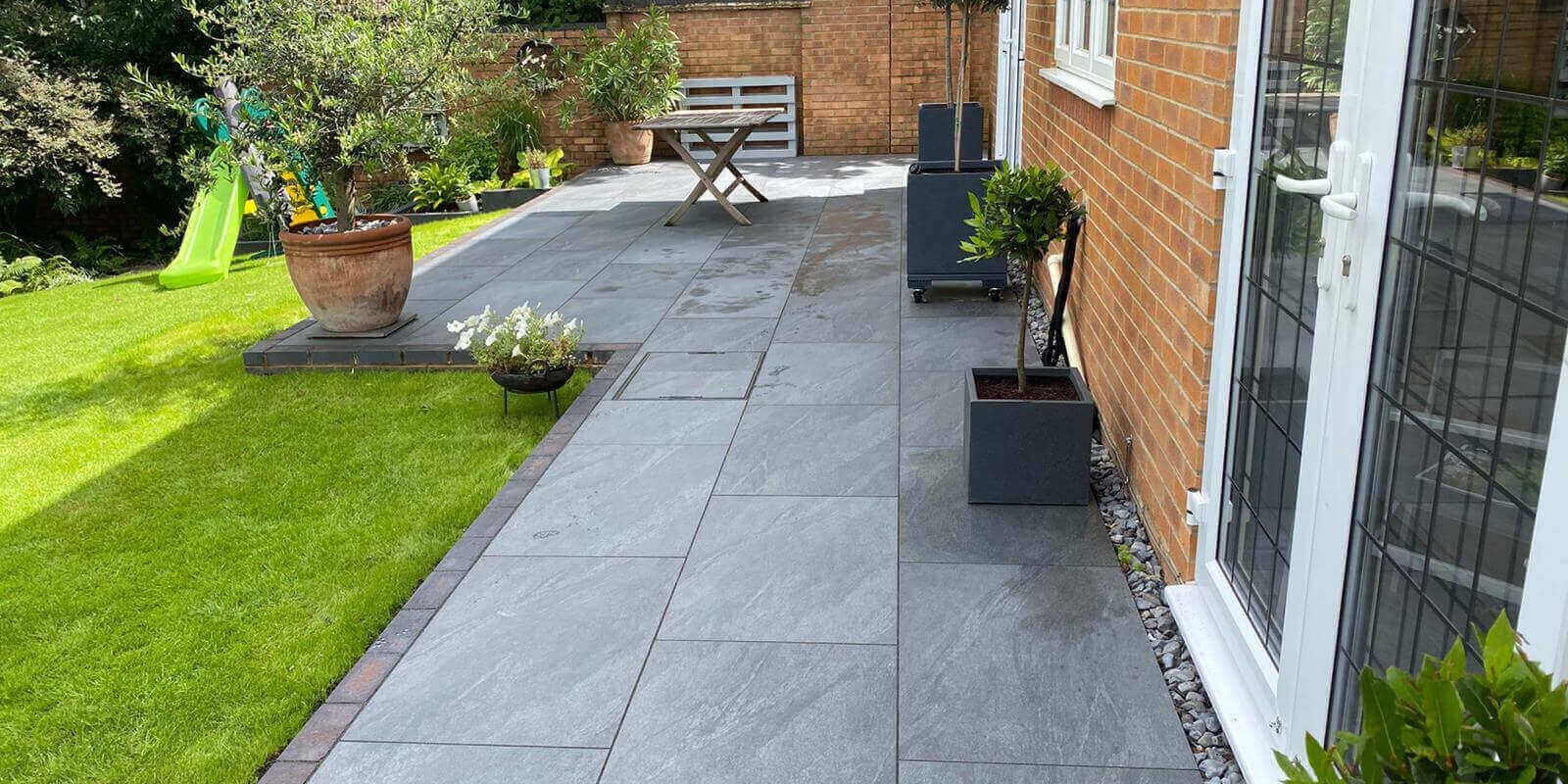
Using a variety of textures and colours can add depth and interest to your garden design. Combining different textures, such as smooth stones and rough bark, can create a visually appealing contrast. Similarly, using a variety of colours can create a vibrant and lively garden.
DO: Incorporate Lighting
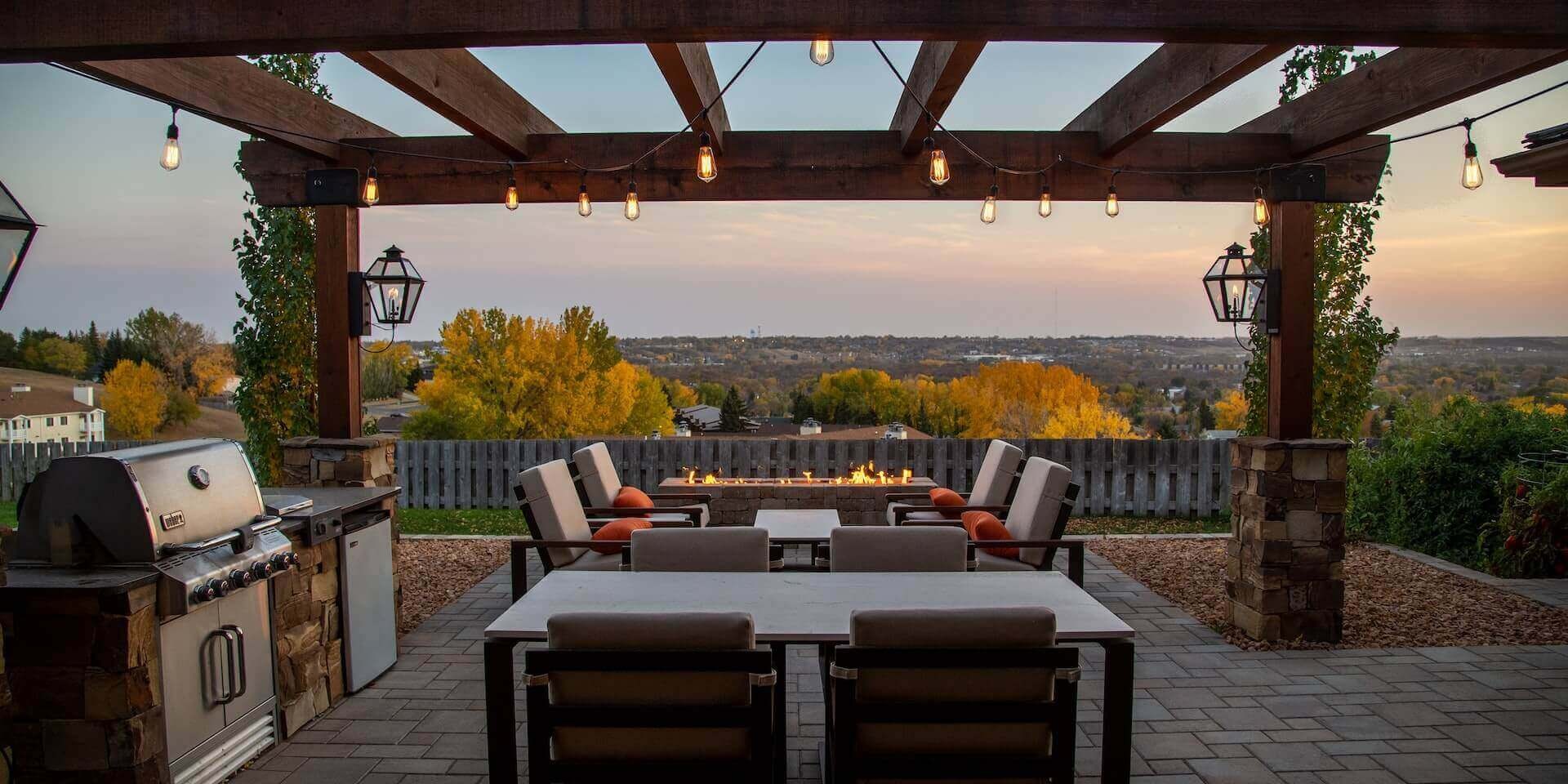
Adding lighting to your garden can create a magical atmosphere, especially at night. Consider installing outdoor lighting that highlights key features, such as a tree or water feature, or use string lights to create a cozy ambiance.
DON’T: Forget about Maintenance
While it’s important to create a beautiful garden, it’s equally important to consider the maintenance required to keep it looking good. Make sure you choose plants and materials that are easy to care for and fit your lifestyle. Additionally, consider the cost and time required for ongoing maintenance, such as watering, fertilizing, and pruning.
DON’T: Overcrowd Plants
It’s easy to get carried away and want to fill your garden with as many plants as possible, but overcrowding can be detrimental to their growth and health. Make sure you give each plant enough space to grow and thrive, and consider their mature size when planting.
DON’T: Ignore the Seasons
When planning your garden design, it’s important to consider the changing seasons. Choose plants that bloom at different times of the year to ensure that your garden looks beautiful year-round. Additionally, consider how the sunlight and temperature change throughout the year and adjust your design accordingly.
DON’T: Neglect the Environment
Gardening is a great way to connect with nature, but it’s important to be mindful of the impact your garden has on the environment. Avoid using harmful chemicals and pesticides, choose plants that are native to your region, and consider installing a rain barrel to collect water for your garden.
DO: Hire a Professional
If you are not confident in your gardening skills or have a complex design in mind, consider hiring a professional landscaper or garden designer. They can provide expert advice and ensure that your garden design and landscaping are successful.
In conclusion, designing and landscaping a garden can be a rewarding and enjoyable experience, but it’s important to keep these dos and don’ts in mind. By considering the climate, setting a budget, creating a focal point, using different textures and colours, incorporating lighting, avoiding overcrowding plants, considering the seasons, and being mindful of the environment, you can create a beautiful and sustainable garden that you can enjoy for years to come.


Why You Should Use Decorative Stone to Enhance Your Garden
Decorative stone is a versatile and affordable option for adding style, texture, and depth to your garden. From pathways to water features, decorative stone can be used in a variety of ways to enhance your outdoor space. In this blog post, we’ll explore the benefits of using decorative stone in your garden, the different types of stone available, and how to incorporate it into your landscape design.
Benefits of Using Decorative Stone in Your Garden There are many benefits to using decorative stone in your garden, including:
- Low Maintenance: Decorative stone is a low-maintenance option for landscaping. It requires no watering, mowing, or pruning, making it a perfect choice for those who have busy schedules.
- Versatility: Decorative stone comes in a wide range of shapes, sizes, and colors, making it a versatile option for any landscaping project. You can use it to create paths, edging, borders, or even as a ground cover.
- Durability: Stone is a durable material that can withstand harsh weather conditions and foot traffic, making it an ideal option for high-traffic areas.
- Adds Texture: Decorative stone can add texture and depth to your garden. It can create a natural and rustic look that is perfect for a variety of design styles.
- Eco-Friendly: Decorative stone is an eco-friendly option for landscaping. It is a natural material that does not require any harsh chemicals or fertilizers, making it safe for the environment.
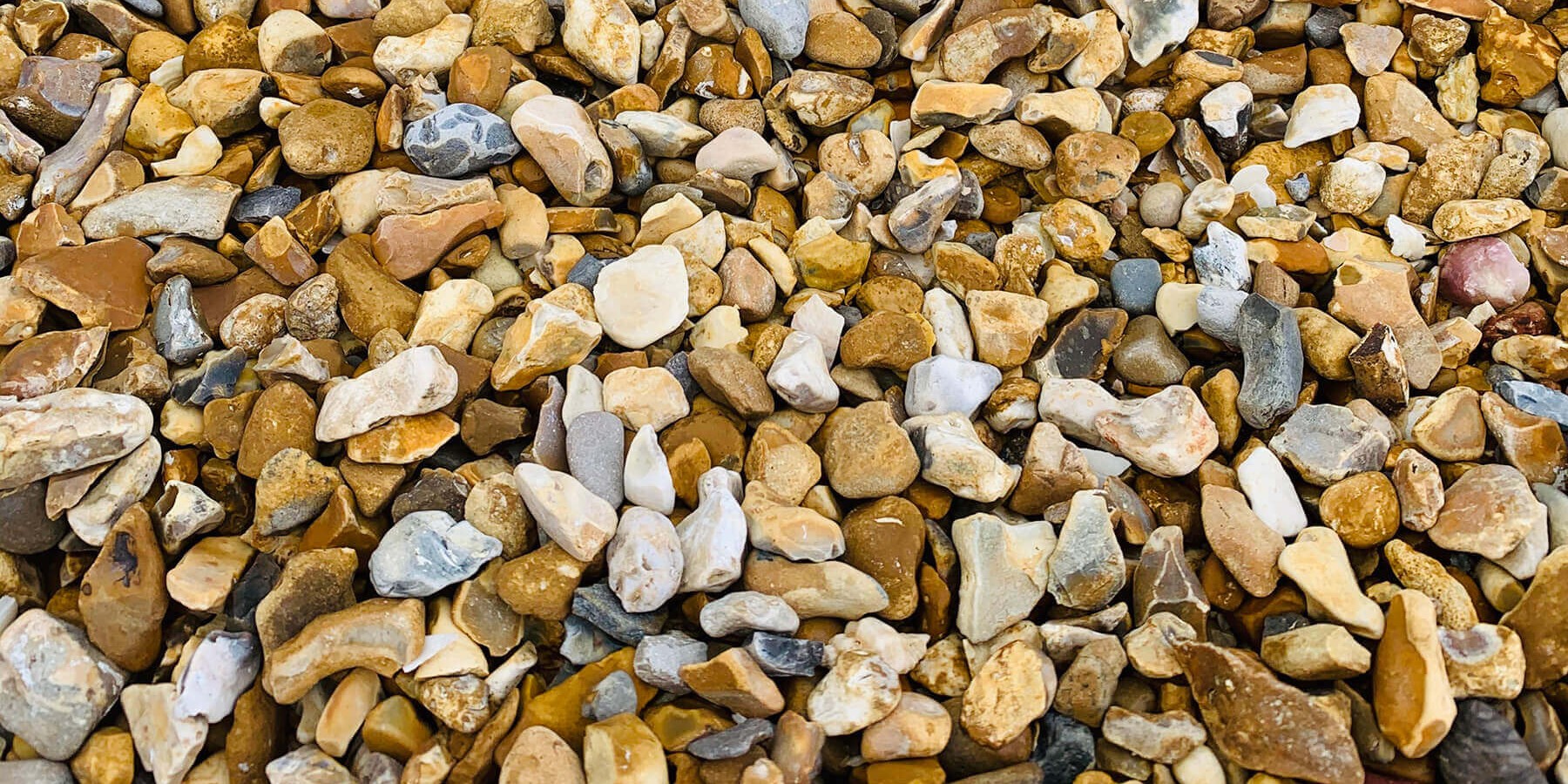
Types of Decorative Stone There are many different types of decorative stone available, each with its own unique characteristics. Here are some of the most popular types of decorative stone:
- River Rock: River rock is a smooth and rounded stone that comes in a variety of sizes and colors. It is perfect for creating natural-looking pathways and water features.
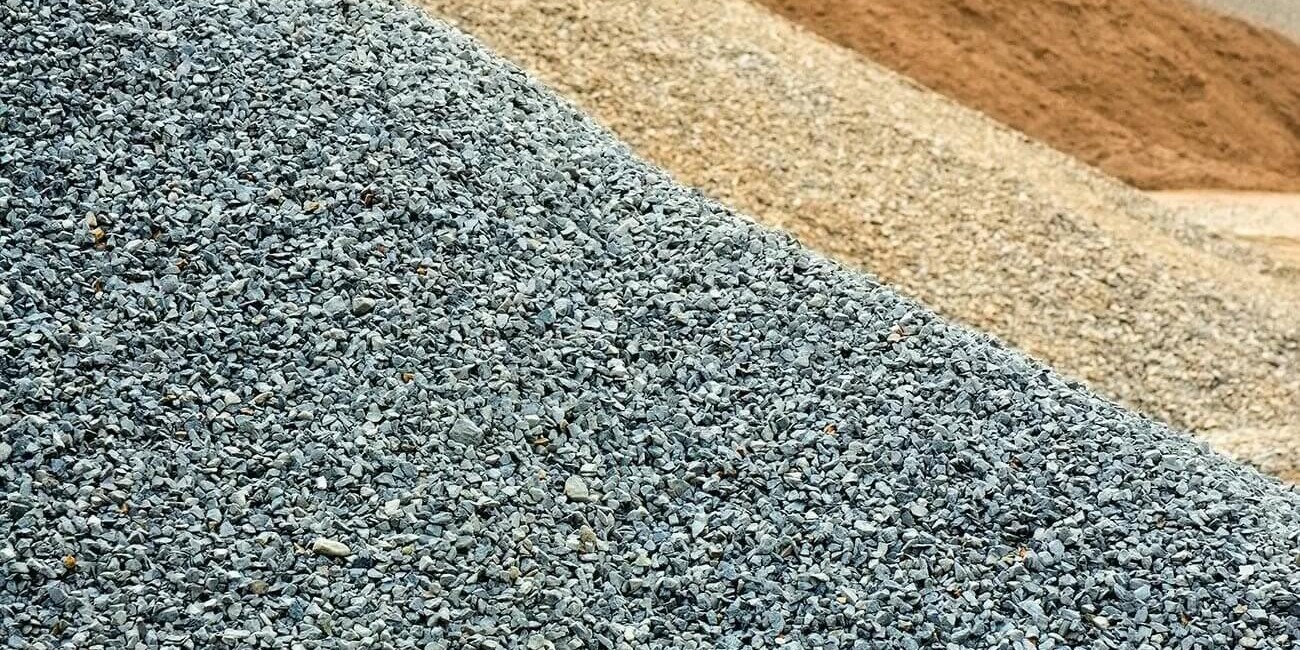
- Gravel: Gravel is a small and angular stone that comes in a range of sizes and colors. It is a great option for creating a textured surface for pathways and driveways.
- Crushed Stone: Crushed stone is a durable and angular stone that is ideal for creating a sturdy base for patios and walkways.
- Flagstone: Flagstone is a flat and thin stone that comes in irregular shapes. It is perfect for creating natural-looking pathways and patios.
- Boulders: Boulders are large and irregularly shaped stones that are perfect for creating dramatic focal points in your garden.
Incorporating Decorative Stone into Your Landscape Design Now that you know the benefits of using decorative stone and the different types available, it’s time to start incorporating it into your landscape design. Here are some tips to get you started:
- Plan Your Design: Before you start laying decorative stone, it’s important to plan your design. Consider the size of your garden, the type of stone you want to use, and the overall look you want to achieve.
- Prepare the Area: Once you have your design in place, it’s time to prepare the area. Remove any grass or vegetation from the area where you want to lay the stone. Level the ground and add a layer of landscaping fabric to prevent weeds from growing through the stone.
- Lay the Stone: Start laying the decorative stone in the desired pattern, using a combination of larger and smaller stones to create texture and interest. Be sure to leave enough space between the stones to allow for drainage.
- Add Edging: Once the stone is in place, add edging to keep the stone from shifting or spreading. You can use metal or plastic edging, or create a natural edge with larger stones.
- Maintain Your Design: Finally, it’s important to maintain your decorative stone design. Remove any weeds that may grow through the stone, and occasionally rinse the stones with water to keep them looking clean and vibrant. You may also want to add a fresh layer of decorative stone every few years to maintain its appearance.In conclusion, decorative stone is an excellent option for adding beauty and interest to your garden. With its low-maintenance nature, versatility, and eco-friendliness, it is a practical choice for any gardener. By selecting the right type of decorative stone and incorporating it into your landscape design, you can create a unique and stunning outdoor space that will be the envy of your neighborhood. So why wait? Start planning your decorative stone garden today and enjoy the beauty and benefits of this timeless landscaping material.
